
State of Israel Region: Middle East / Levant.
Capital: ; Tel Aviv / Jerusalem (declared)
Major Cities: Jerusalem, Tel Aviv, Haifa, Eilat, Nazareth, Beersheba, Tiberias, Akko
Borders: Lebanon, Syria, Jordan, Egypt & Gulf of Aqaba, Mediterranean Sea
Total Area: 20,770 sq km
Time Zone: Israel Standard Time (IST) UTC+2 | Israel Daylight Time (IDT) UTC+3 (summer)
Currency: New Israeli Shekel (ILS / NIS).
Languages: Hebrew, Arabic & English very widely spoken
Religion: Judaism, Islam, Christianity, Druze,
Climate: Warm, dry summers; mild, rainy winters
Best time to visit: March to May and October to November.
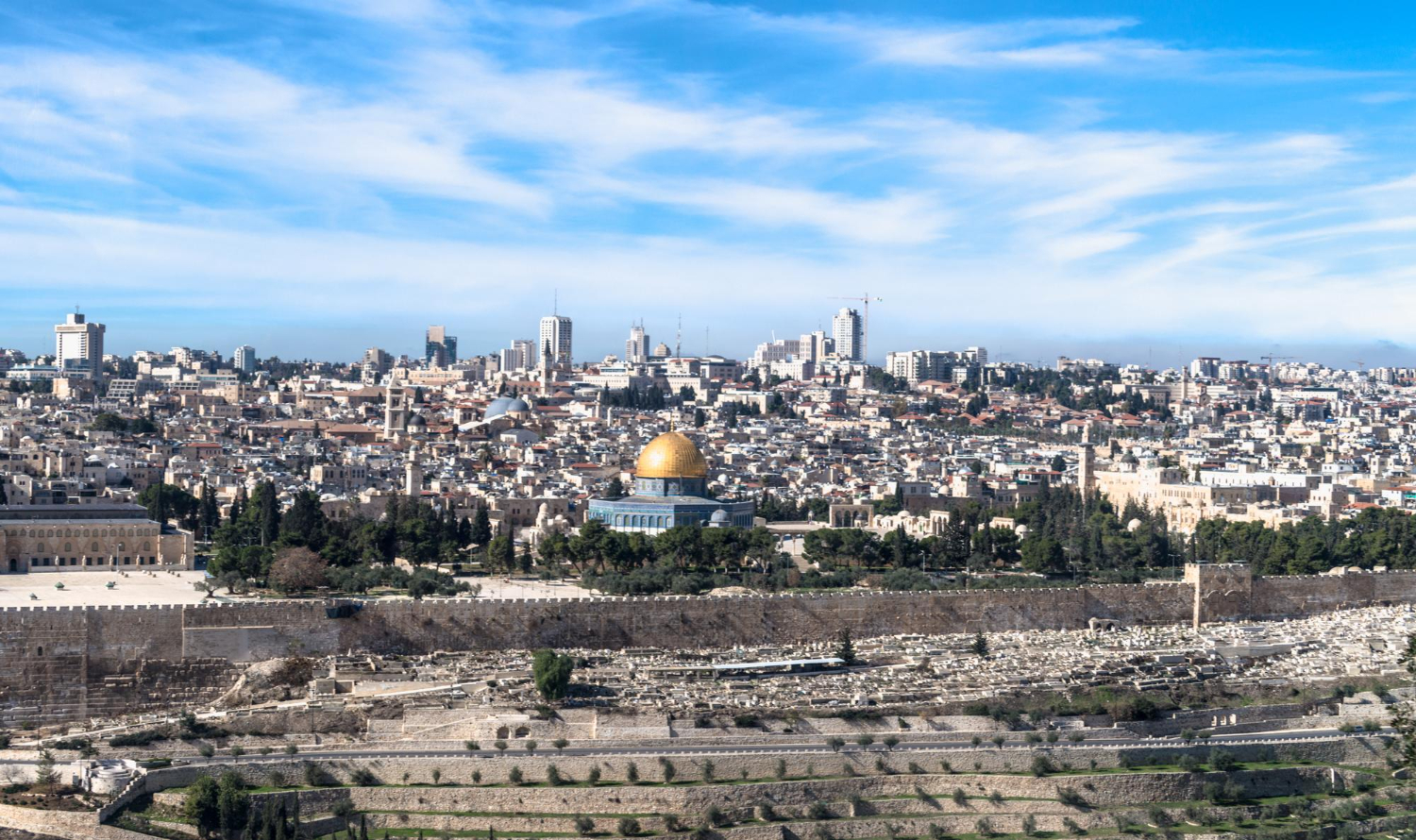
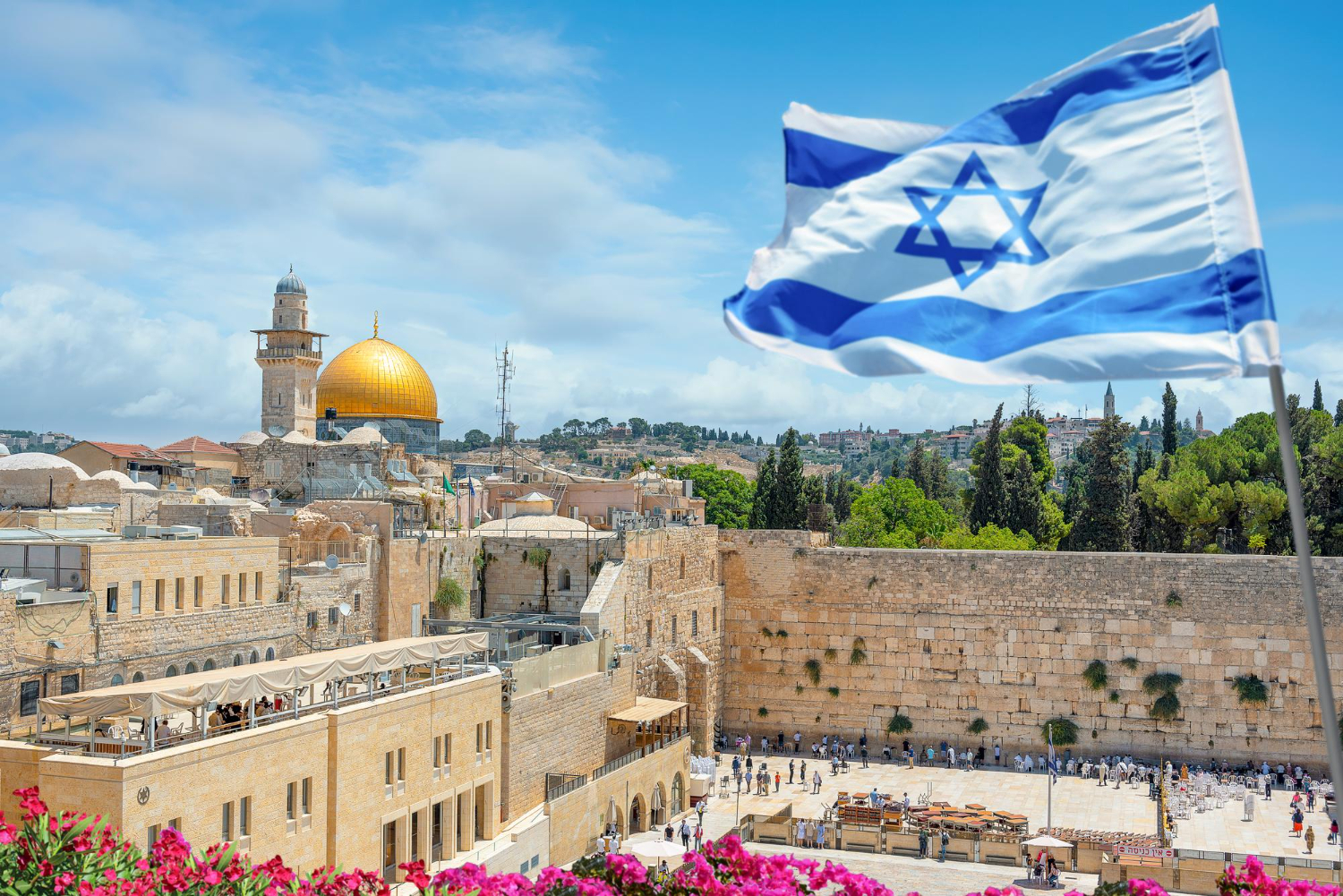
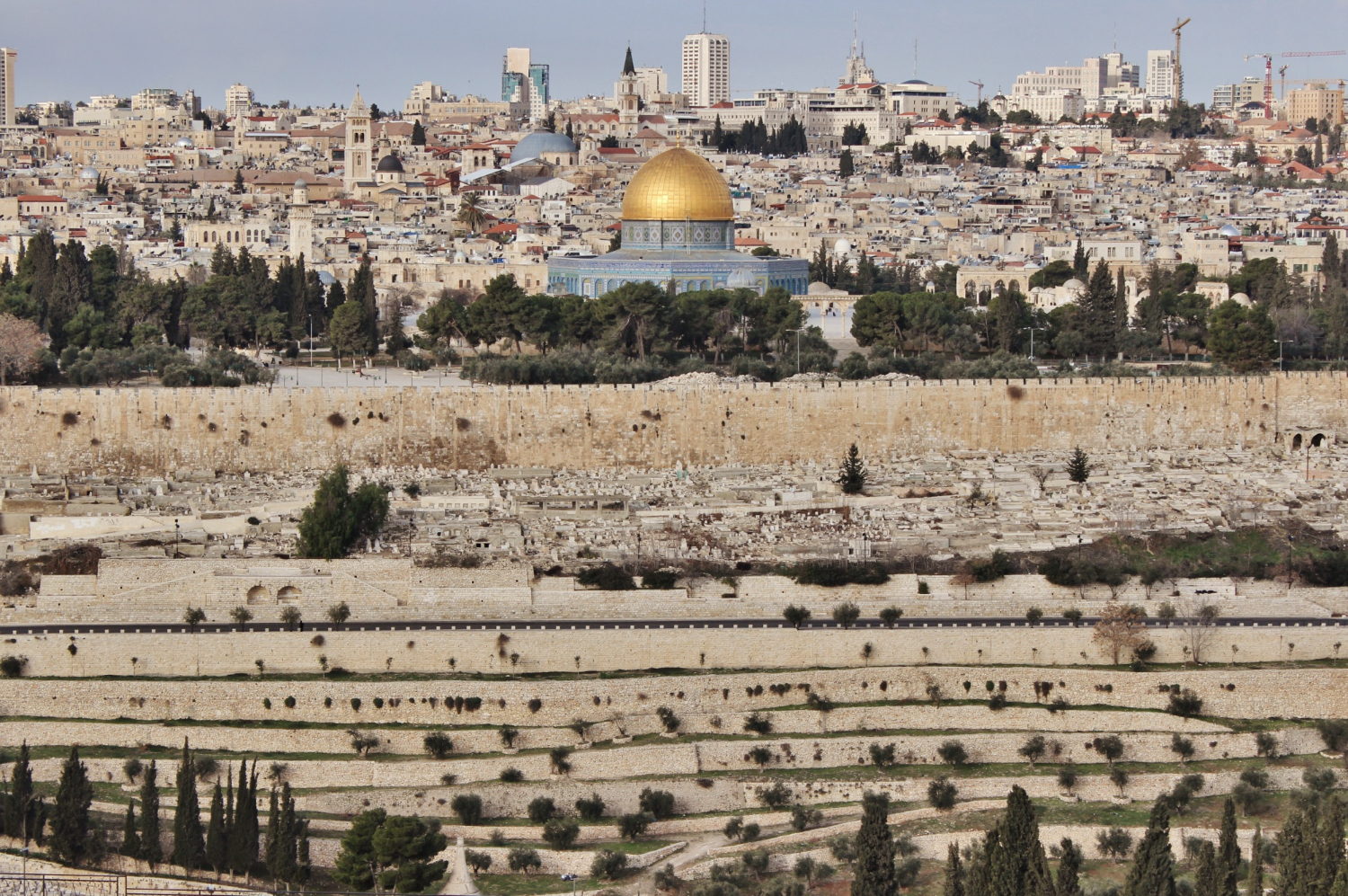
One of the most sacred places on Earth. A UNESCO World Heritage Site containing the Western Wall (holiest site in Judaism), the Church of the Holy Sepulchre (where Jesus was crucified and buried), and the Dome of the Rock & Al-Aqsa Mosque (third holiest site in Islam) — all within walking distance of each other inside ancient stone walls.
The most sacred site in Judaism, a remnant of the Second Temple. Open to all faiths for prayer and reflection 24 hours a day.
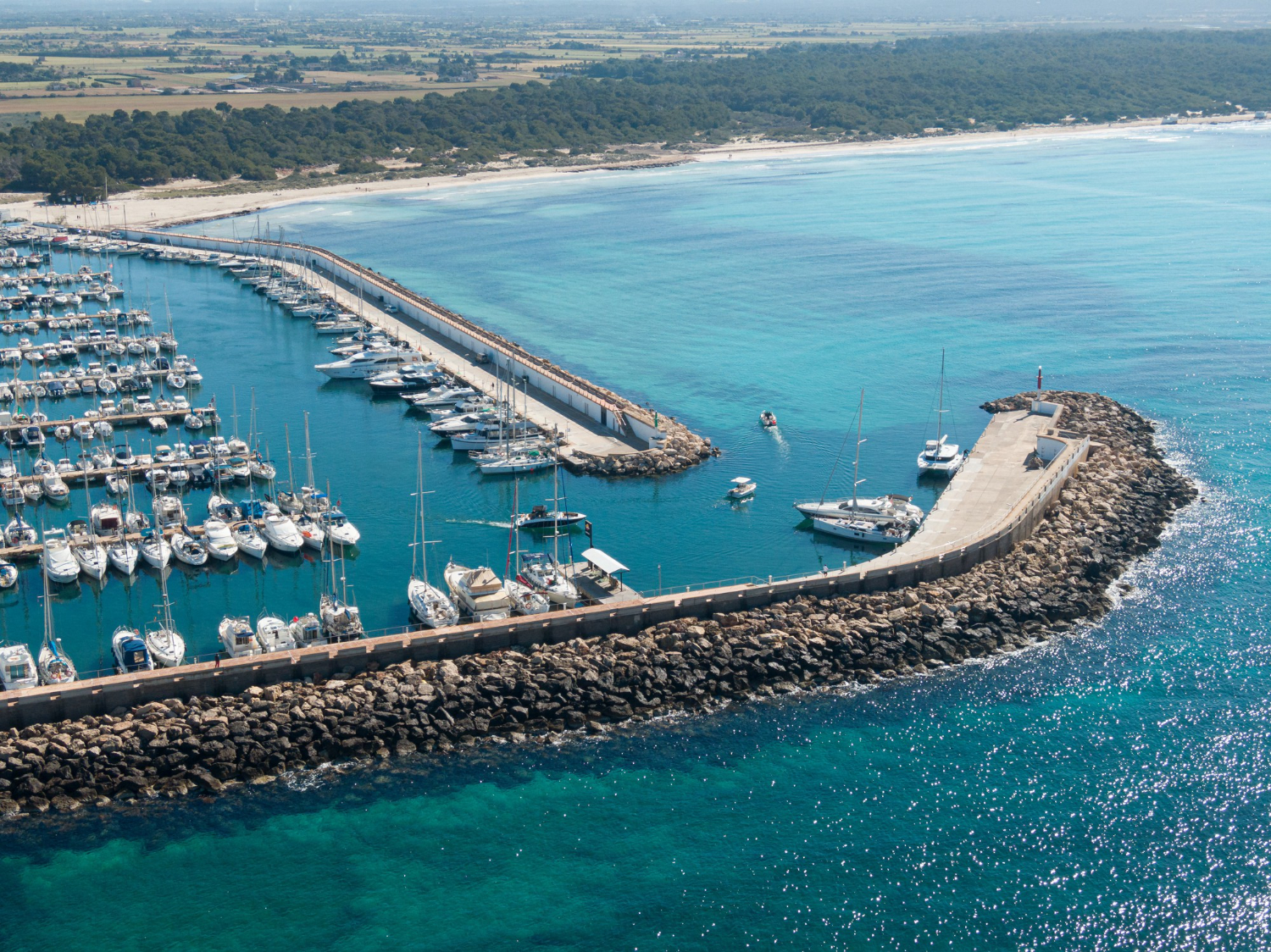
A stunning ancient Roman port city on the Mediterranean coast. Remarkably preserved amphitheatre, aqueducts, and Crusader fortifications — now a national park.
UNESCO World Heritage Site. Ancient biblical city whose name gives us the word “Armageddon.” Layers of 26 civilisations stacked upon one another.
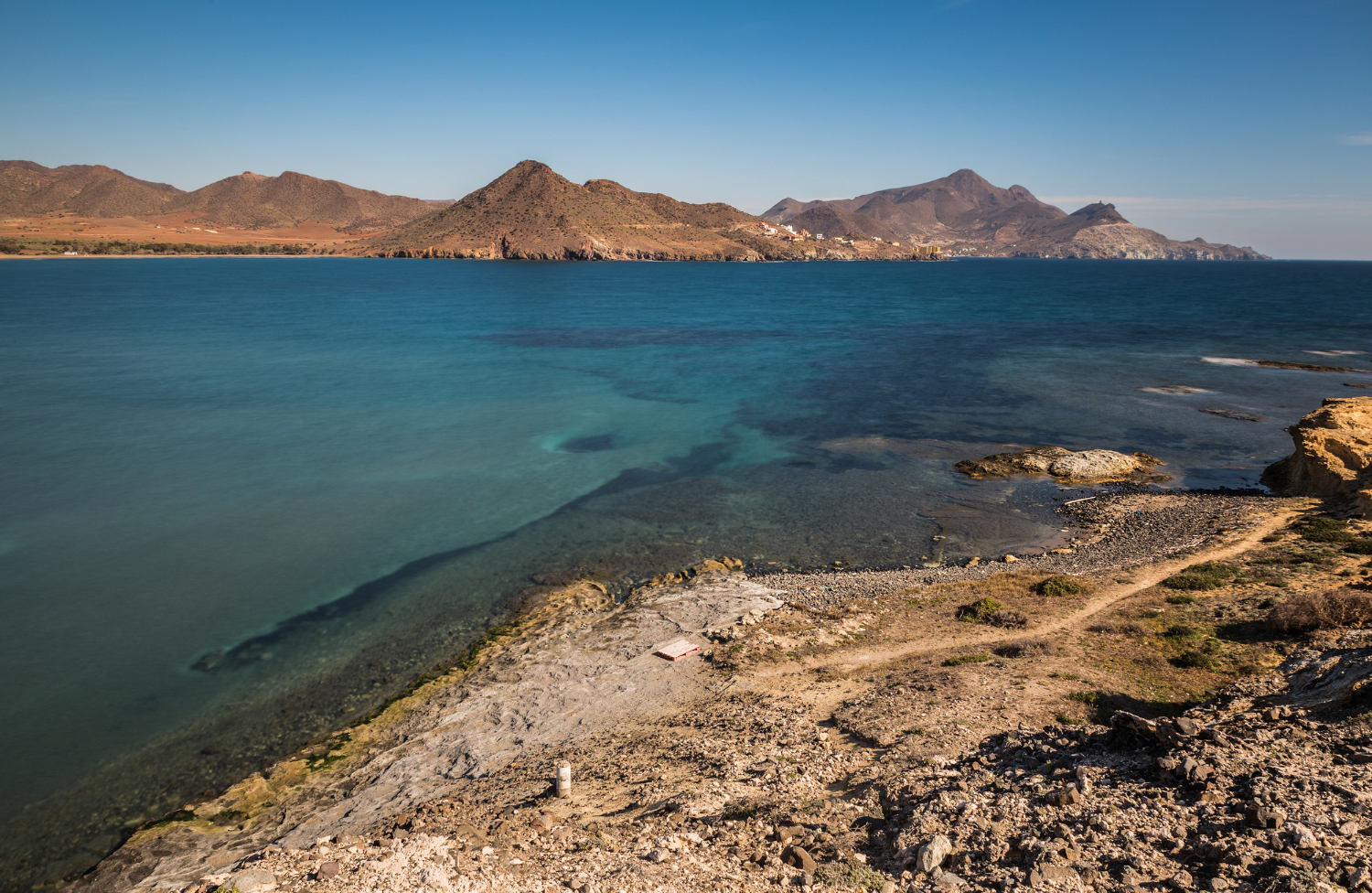
The lowest point on Earth at 430m below sea level. Float effortlessly in the mineral-rich hyper-saline waters. World-renowned for therapeutic mud treatments and spa resorts. Accessible from Jerusalem in under 1 hour.
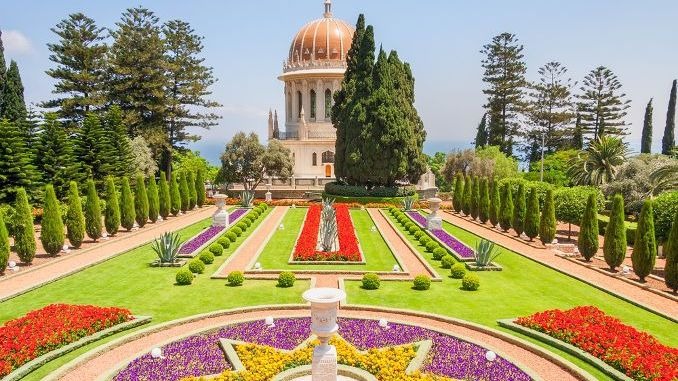
A stunning hillside city in northern Israel, home to the magnificent UNESCO-listed Baha’i World Centre with breathtaking terraced Persian gardens cascading down Mount Carmel to the Mediterranean.
Israel has one of the most open visa policies in the region. Citizens of over 100 countries can enter Israel visa-free for tourism purposes.
Visa-Free Countries (Selected) Citizens of the USA, UK, all EU countries, Canada, Australia, New Zealand, Japan, South Korea, India (with prior approval), most Latin American countries, and many others — receive a free tourist entry permit (B/2 visa) on arrival, valid for up to 90 days.
Israel’s main international airport located 20km from Tel Aviv and 55km from Jerusalem. One of the most secure airports in the world. Connected to virtually all major cities in Europe, North America, Asia, and the Middle East.
Serves the southern resort city of Eilat. Handles domestic flights and growing European charter routes.
Three border crossings —
Allenby / King Hussein Bridge (near Jericho / Amman) — most used; no visa on arrival on this crossing. Advance visa required.
Sheikh Hussein Bridge (Northern crossing, near Beit She ‘an) — visa on arrival available.
Wadi Araba / Yitzhak Rabin Crossing (near Eilat / Aqaba) — visa on arrival available.
Taba Border Crossing (near Eilat) — most popular overland crossing for tourists travelling between Sinai/Cairo and Israel.
Limassol to Haifa — Regular passenger ferry services operate seasonally (typically March-November)
Cruise ships — Multiple cruise lines dock at Haifa and Ashdod ports; day visits or extended stays available
Piraeus/Rhodes to Haifa — Seasonal ferry connections available through various Mediterranean cruise operators
Private yacht entry — Marinas in Herzliya, Tel Aviv, and Haifa accept international vessels with advance clearance
Cruise routes — Limited direct passenger services; most connections via cruise ship itineraries stopping at Israeli ports
Modern tram system connecting East and West Jerusalem. Affordable, frequent service, runs Sunday-Thursday until midnight, reduced hours Friday-Saturday.
Covers entire city and suburbs. Israel Railways connects Tel Aviv to Haifa, Jerusalem, Be’er Sheva, and airport. All public transport stops Friday evening to Saturday evening (Shabbat).
Depart when full, slightly more expensive than buses, operate on Shabbat when public transport doesn’t, found at central stations and major junctions.