
Destination

Israel

Israel is the heartland of biblical history, where sacred scriptures came to life. Walk where Jesus walked, explore ancient Jerusalem, visit Bethlehem, Nazareth, and the shores of the Sea of Galilee.

Destination Overview

Israel

State of Israel Region: Middle East / Levant.
Capital: ; Tel Aviv / Jerusalem (declared)
Major Cities: Jerusalem, Tel Aviv, Haifa, Eilat, Nazareth, Beersheba, Tiberias, Akko
Borders: Lebanon, Syria, Jordan, Egypt & Gulf of Aqaba, Mediterranean Sea
Total Area: 20,770 sq km
Time Zone: Israel Standard Time (IST) UTC+2 | Israel Daylight Time (IDT) UTC+3 (summer)
Currency: New Israeli Shekel (ILS / NIS).
Languages: Hebrew,  Arabic & English very widely spoken
Religion: Judaism, Islam, Christianity, Druze,
Climate: Warm, dry summers; mild, rainy winters
Best time to visit: March to May and October to November.

Why This Tour

Top Attractions

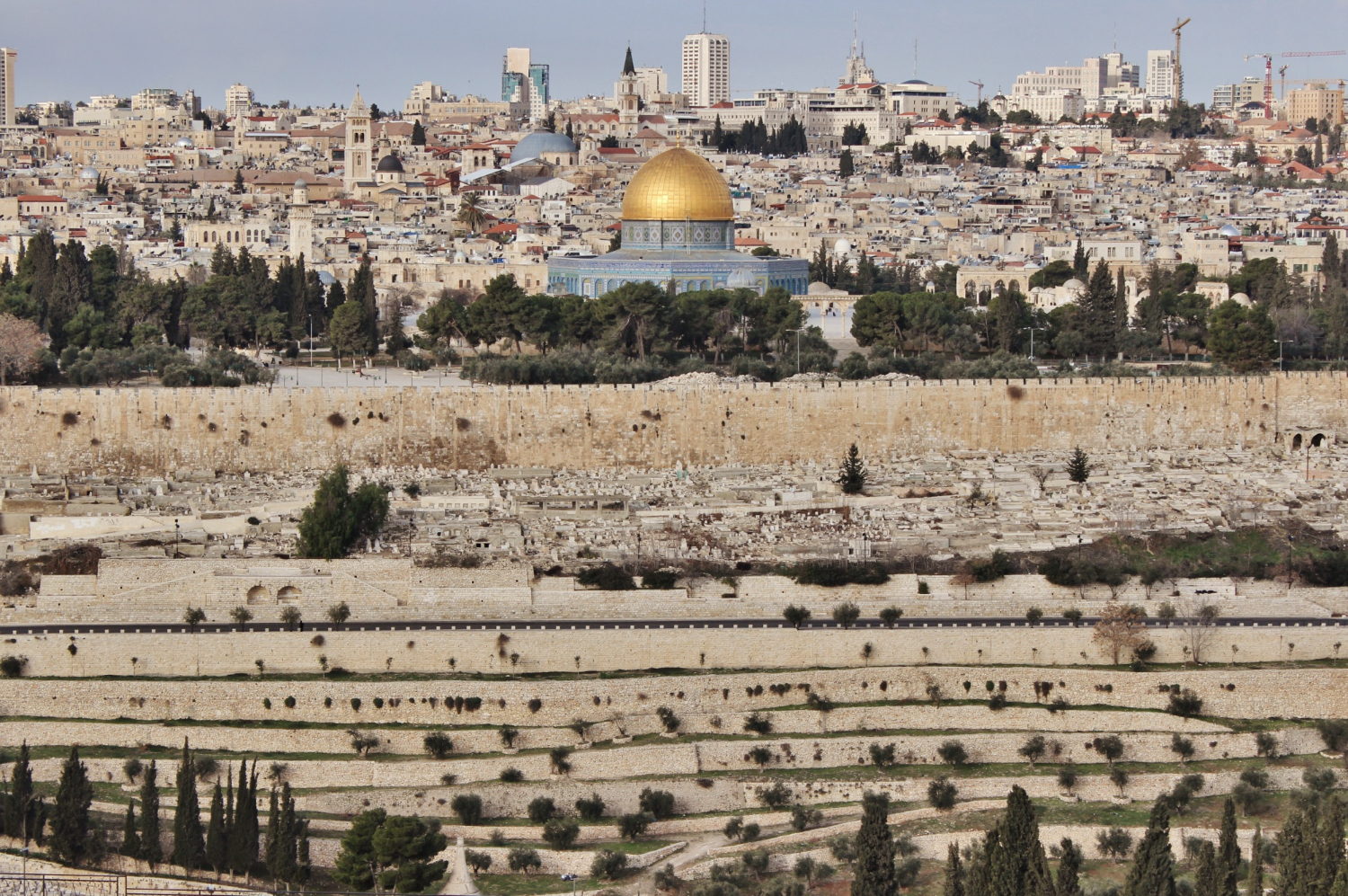
Old City of Jerusalem

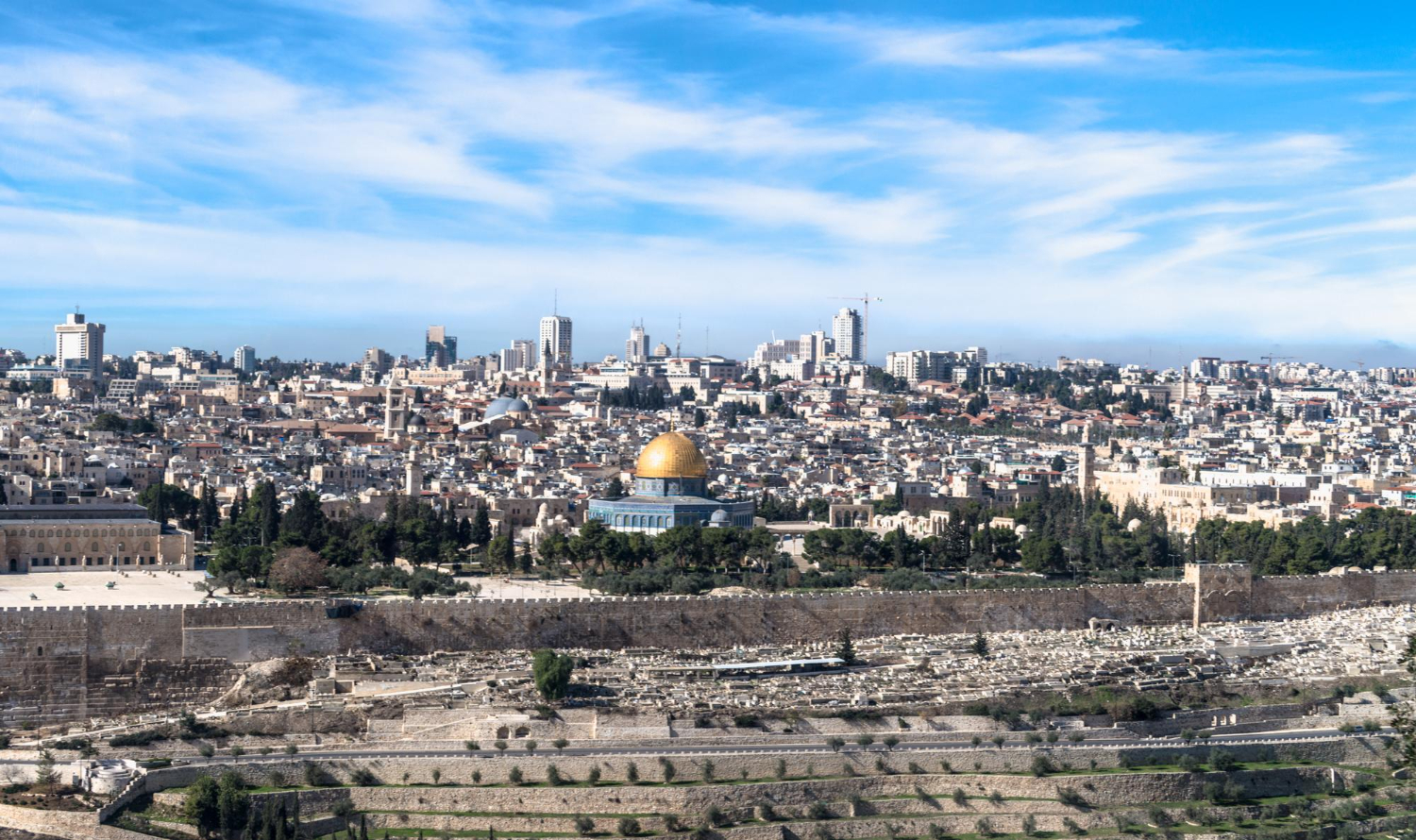
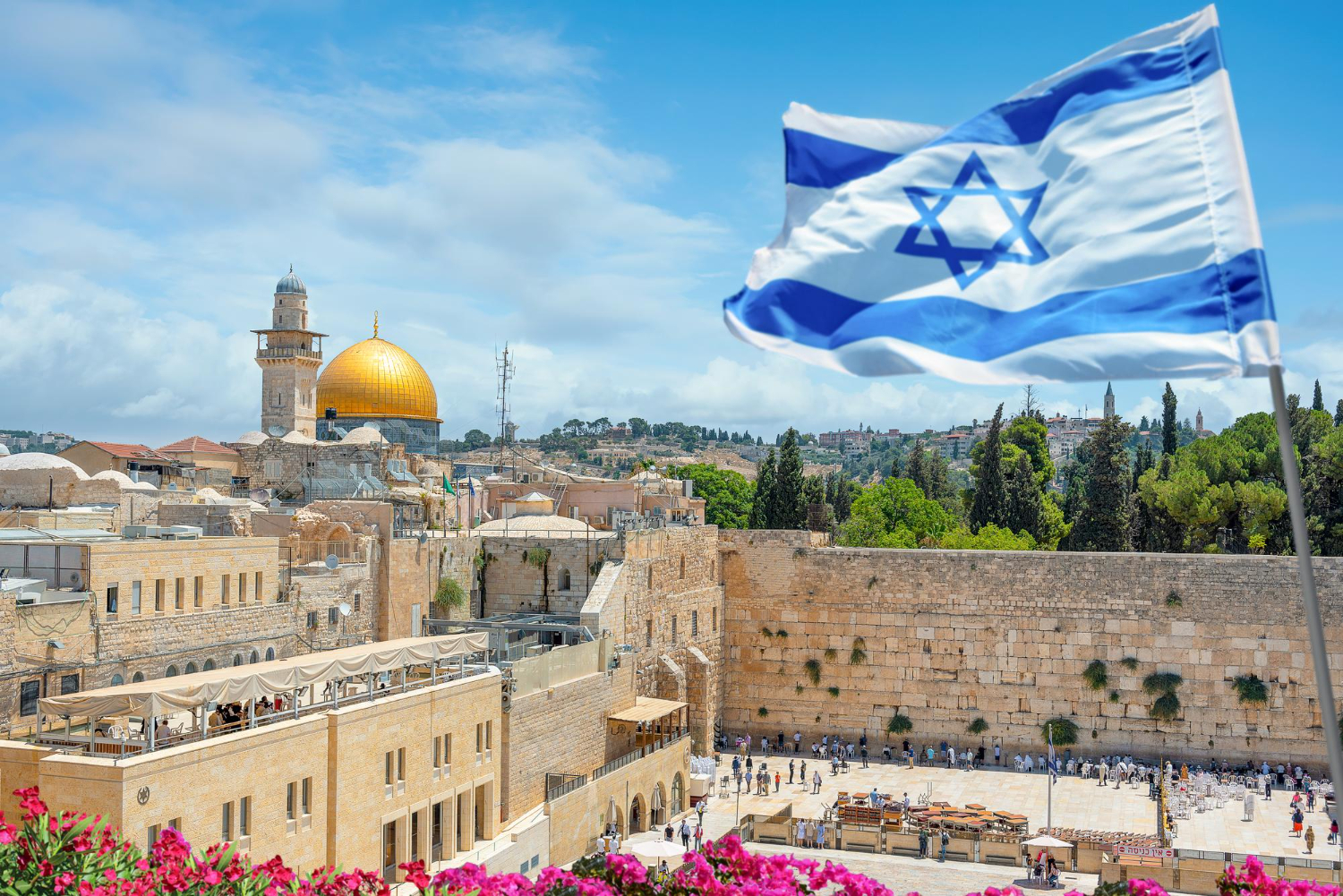
One of the most sacred places on Earth. A UNESCO World Heritage Site containing the Western Wall (holiest site in Judaism), the Church of the Holy Sepulchre (where Jesus was crucified and buried), and the Dome of the Rock & Al-Aqsa Mosque (third holiest site in Islam) — all within walking distance of each other inside ancient stone walls.
Western Wall (Kotel), Jerusalem

The most sacred site in Judaism, a remnant of the Second Temple. Open to all faiths for prayer and reflection 24 hours a day.
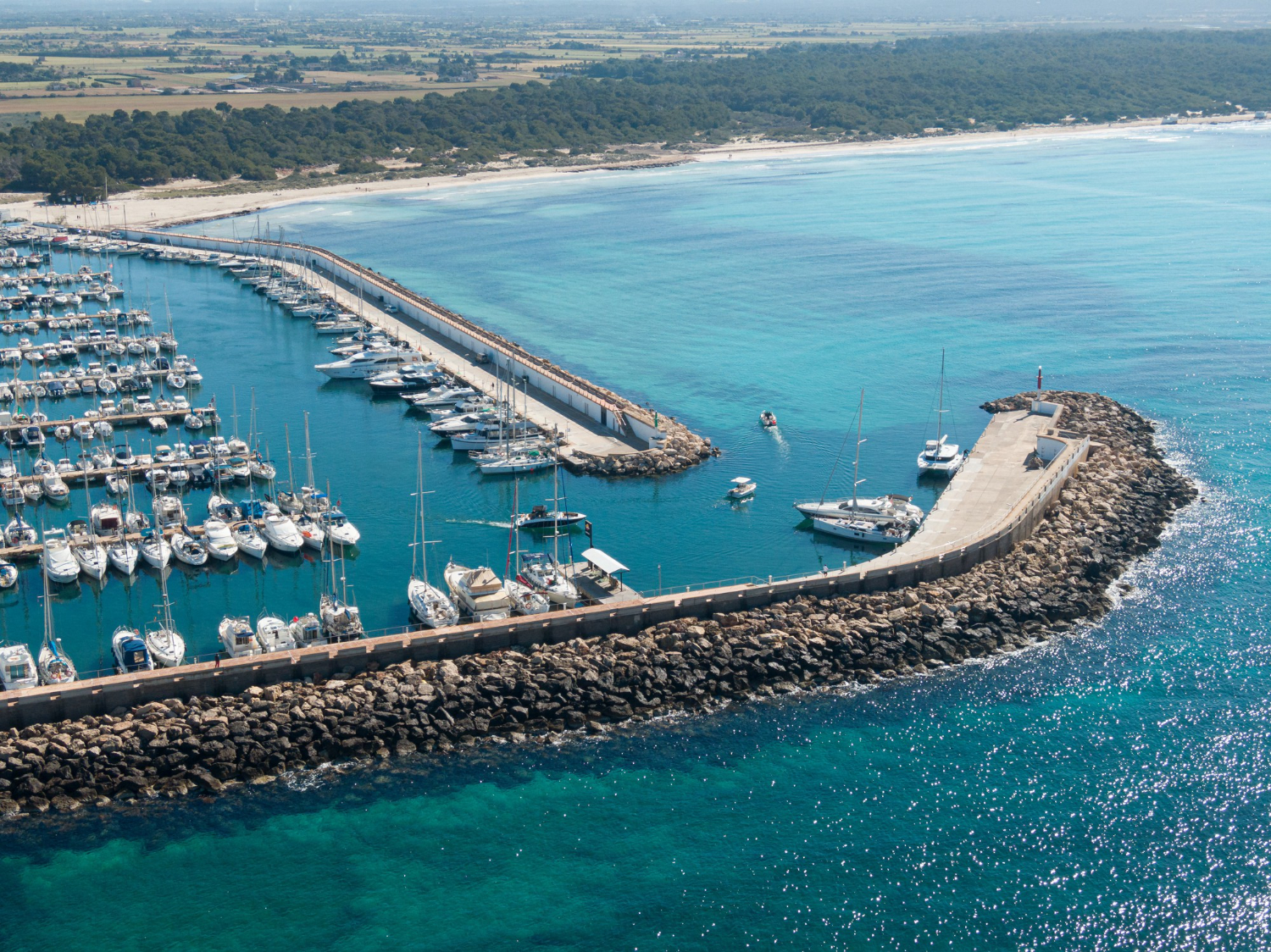
Caesarea Maritima
Caesarea Maritima

A stunning ancient Roman port city on the Mediterranean coast. Remarkably preserved amphitheatre, aqueducts, and Crusader fortifications — now a national park.
Megiddo (Armageddon)

UNESCO World Heritage Site. Ancient biblical city whose name gives us the word “Armageddon.” Layers of 26 civilisations stacked upon one another.
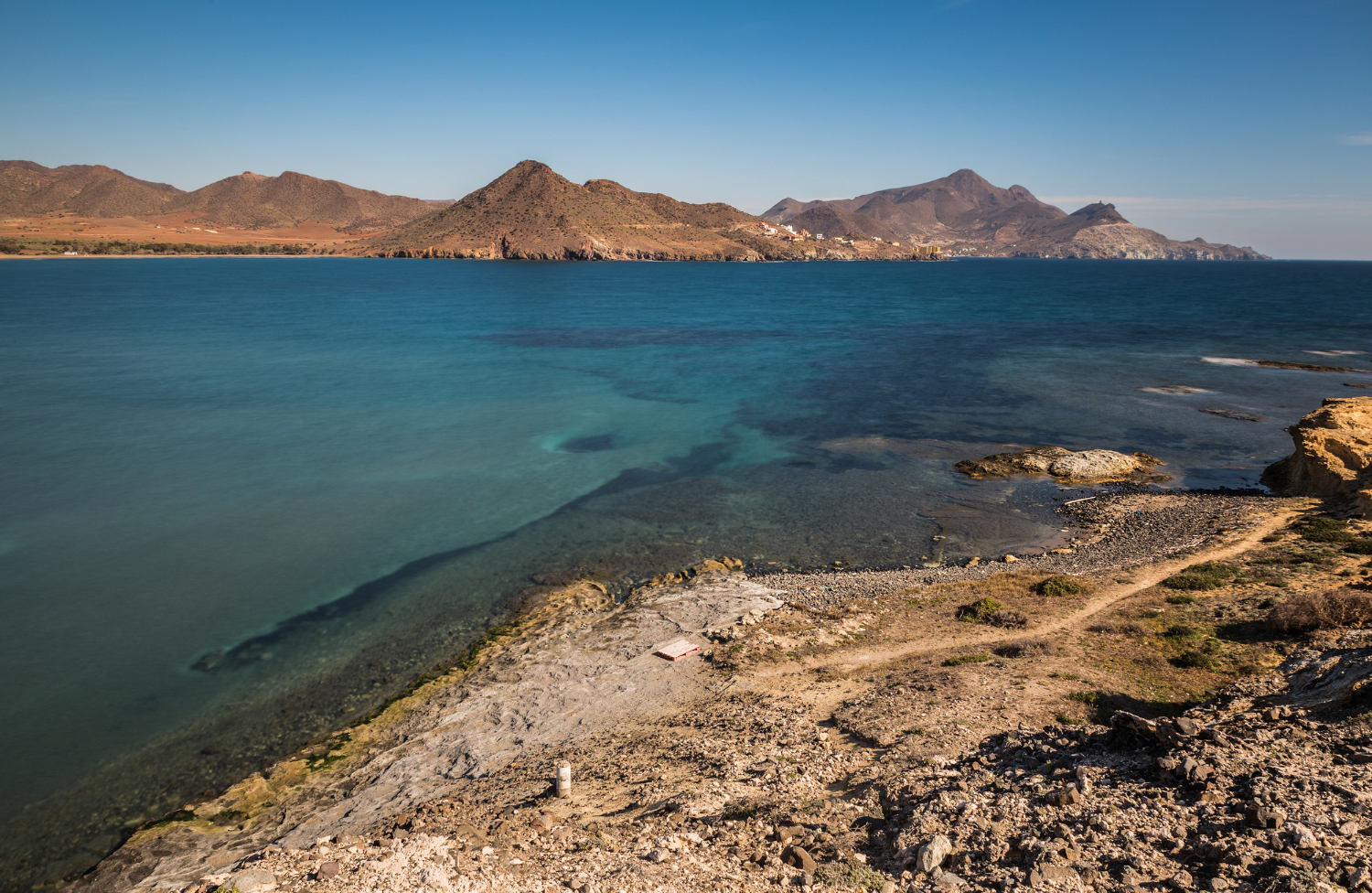
Dead Sea
Dead Sea

The lowest point on Earth at 430m below sea level. Float effortlessly in the mineral-rich hyper-saline waters. World-renowned for therapeutic mud treatments and spa resorts. Accessible from Jerusalem in under 1 hour.
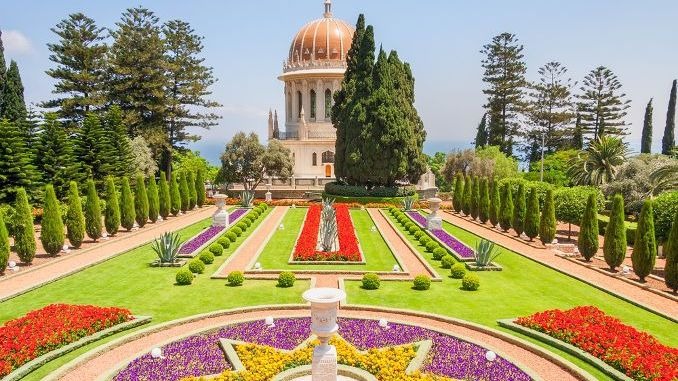
Haifa & Bahai Gardens

A stunning hillside city in northern Israel, home to the magnificent UNESCO-listed Baha’i World Centre with breathtaking terraced Persian gardens cascading down Mount Carmel to the Mediterranean.

Visa Procedure

What is the Visa Procedure ?

Visa-Free Entry

Israel has one of the most open visa policies in the region. Citizens of over 100 countries can enter Israel visa-free for tourism purposes.

Visa-Free Countries (Selected) Citizens of the USA, UK, all EU countries, Canada, Australia, New Zealand, Japan, South Korea, India (with prior approval), most Latin American countries, and many others — receive a free tourist entry permit (B/2 visa) on arrival, valid for up to 90 days.

Visa on Arrival / Entry Permit

  • No prior application needed for eligible nationalities.
  • On arrival, an immigration officer issues a tourist entry stamp or a paper entry card (Israel does not stamp passports on request — a separate entry card is given to protect travellers visiting Arab countries that restrict Israeli passport stamps).
  • Valid for 90 days. Can be extended inside Israel at the Interior Ministry.

e-Visa / Advance Visa

  • Nationals of countries not on the visa-free list must apply for a visa at the Israeli embassy or consulate in their home country.
  • Required documents: valid passport (6+ months), completed application form, recent photo, proof of accommodation, return ticket, and proof of sufficient funds.
  • Processing time: 3–10 business days depending on embassy.
  • Fee: Approximately USD 20–40 depending on nationality.

Travel Methods

How to Travel & Reach

By Air

Ben Gurion International Airport (TLV) — Tel Aviv

Israel’s main international airport located 20km from Tel Aviv and 55km from Jerusalem. One of the most secure airports in the world. Connected to virtually all major cities in Europe, North America, Asia, and the Middle East.

Ramon International Airport (ETM) — Eilat

Serves the southern resort city of Eilat. Handles domestic flights and growing European charter routes.

By Land

From Jordan

Three border crossings —

Allenby / King Hussein Bridge (near Jericho / Amman) — most used; no visa on arrival on this crossing. Advance visa required.

Sheikh Hussein Bridge (Northern crossing, near Beit She ‘an) — visa on arrival available.

Wadi Araba / Yitzhak Rabin Crossing (near Eilat / Aqaba) — visa on arrival available.

From Egypt

Taba Border Crossing (near Eilat) — most popular overland crossing for tourists travelling between Sinai/Cairo and Israel.

By Sea

From Cyprus

Limassol to Haifa — Regular passenger ferry services operate seasonally (typically March-November)

Cruise ships — Multiple cruise lines dock at Haifa and Ashdod ports; day visits or extended stays available

From Greece

Piraeus/Rhodes to Haifa — Seasonal ferry connections available through various Mediterranean cruise operators

Private yacht entry — Marinas in Herzliya, Tel Aviv, and Haifa accept international vessels with advance clearance

From Turkey

Cruise routes — Limited direct passenger services; most connections via cruise ship itineraries stopping at Israeli ports

Transportation

Local Commute & Transport

Jerusalem Light Rail 1 line, 23 stations

Modern tram system connecting East and West Jerusalem. Affordable, frequent service, runs Sunday-Thursday until midnight, reduced hours Friday-Saturday.

Tel Aviv Buses & Trains Extensive bus network

Covers entire city and suburbs. Israel Railways connects Tel Aviv to Haifa, Jerusalem, Be’er Sheva, and airport. All public transport stops Friday evening to Saturday evening (Shabbat).

Sherut (Shared Taxis)

Depart when full, slightly more expensive than buses, operate on Shabbat when public transport doesn’t, found at central stations and major junctions.

Accommodation

Types of Accommodation

Luxury Hotels (5-Star)

  • King David Hotel, Jerusalem— Israel’s most historic and iconic luxury hotel overlooking the Old City walls. Hosted kings, presidents, and world leaders since 1931.
  • Mamilla Hotel, Jerusalem— Boutique luxury directly adjacent to the Jaffa Gate of the Old City. Rooftop pool with stunning views.
  • The Norman Hotel, Tel Aviv— A beautifully restored 1920s heritage building in central Tel Aviv. Rooftop pool, acclaimed restaurant, exceptional service.
  • Setai Tel Aviv— Luxury beachfront hotel on Tel Aviv’s seafront promenade. Stunning sea views, spa, and world-class dining.

Business & Mid-Range Hotels (3–4 Star)

  • Jerusalem: Dan Jerusalem, Leonardo Plaza, Olive Tree Hotel — central locations, good amenities.
  • Tel Aviv: Cinema Hotel, Diaghilev Hotel, Rothschild Hotel — boutique character in prime locations at mid-range prices.
  • Haifa:Dan Panorama, Colony Hotel — excellent views and good value.
  • Eilat: Herods Palace, Royal Beach, Club Hotel — beachfront resorts at very reasonable rates.

Budget & Guesthouses

  • Tel Aviv: Abraham Hostel Tel Aviv, Florentine Backpackers, Port Hotel — clean, social, central. Dorms
  • Jerusalem: Abraham Hostel Jerusalem (one of the top-rated hostels in the world), Post Hostel, Agripas Boutique — superb value with free walking tours and a social atmosphere.
  • Nazareth & Galilee: Small family-run Christian guesthouses and B&Bs — warm hospitality, home-cooked breakfasts, very affordable.

Travel Tip

  • Shabbat (Jewish Sabbath): Runs from Friday sunset to Saturday night. Most shops, restaurants, and public transport shut down in Jerusalem and many other cities. Tel Aviv largely remains open. Plan your travel days accordingly.
  • Passport Stamp: Request no passport stamp on arrival if you plan to travel to Arab countries afterwards. Israel will issue a separate entry card instead.
  • Airport Security: Arrive at Ben Gurion Airport at least 3–4 hours before international flights. Security questioning is thorough and standard — be patient and cooperative.
  • Currency: New Israeli Shekel (NIS). ATMs are widely available. Cards accepted almost everywhere. USD is also accepted in many tourist areas and hotels.
  • Language: Hebrew and Arabic are official languages. English is extremely widely spoken — menus, signs, and staff in tourist areas are almost always English-friendly.
  • Dress Code: Modest dress required when visiting religious sites — covered shoulders, knees, and head coverings for women entering synagogues, mosques, and some churches. Dress code cards are available at entrance.
  • Food: Israel has one of the world’s most exciting food cultures. Must-try: Hummus, Shakshuka, Falafel, Sabich, Shawarma, fresh mezze, and the incredible breakfast spreads. Many restaurants are Kosher — check before ordering.
  • Safety: Israel is generally very safe for tourists in major cities and tourist areas. Follow your government’s current travel advisory regarding border regions and the West Bank.
  • Best Season: March–May (spring, lush green landscape, festivals) and October–November (clear skies, cool temperatures, fewer crowds).
  • Emergency Numbers: Police — 100 | Ambulance (Magen David Adom) — 101 | Fire — 102 | Tourist Police — 1599-510-530